
Traditional Turkish Coffee
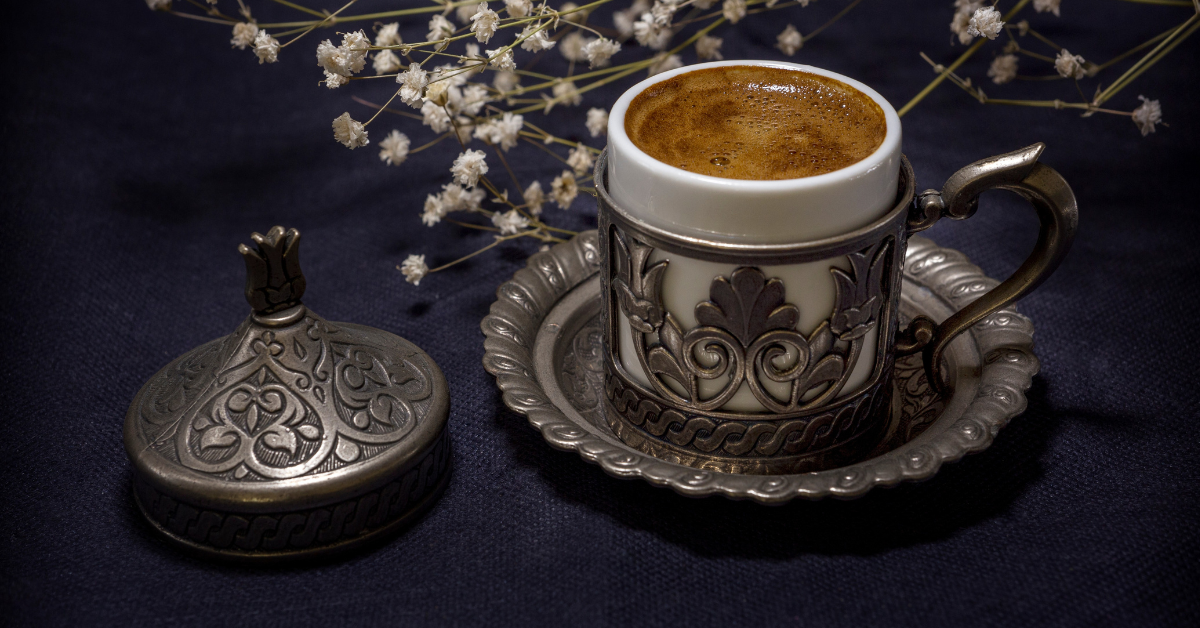
Few drinks carry as much history and ritual as Turkish coffee.
Originating in the Ottoman Empire and enjoyed for centuries across the Middle East, the Balkans, and beyond, it’s far more than just a morning pick-me-up.
Brewing Turkish coffee is an artful ceremony: a slow simmer in a copper cezve, a rich foam rising to the top, and an aromatic cup that invites you to pause and savor.
At first, achieving the perfect balance of foam and flavor can feel tricky; too much heat and it boils over, too little and it tastes flat. But don’t be discouraged. Like any craft, it rewards patience: after a few tries, you’ll develop a feel for the right heat and timing, and soon the process becomes second nature.
Served unfiltered and often accompanied by a small sweet treat, Turkish coffee delivers an intense, velvety flavor that lingers long after the last sip.
Whether you’re recreating a taste of Istanbul at home or introducing guests to an age-old tradition, this recipe will guide you to a perfect, authentic cup.
A cezve (pronounced jez-veh) is the small, long-handled pot traditionally used to brew Turkish coffee.

Key Features
- Shape: It has a wide base and a narrow neck, which helps the coffee foam rise while keeping the grounds contained.
- Material: Classic cezves are made of copper lined with tin, though stainless steel or brass versions are common today. Copper’s excellent heat conductivity allows for the slow, even heating that Turkish coffee requires.
- Handle: The long handle keeps your hand safely away from the heat while letting you control the pot as the foam forms.
Role in Brewing
The cezve’s design is essential to creating the signature thick foam and rich flavor. The narrow top helps trap the foam, while the flared bottom ensures even extraction as the coffee heats gently.
Many cultures have their own name for this pot—ibrik in some Middle Eastern regions, briki in Greece—but “cezve” is the Turkish term most commonly used worldwide.

Traditional Turkish Coffee
Equipment
- Turkish coffee pot (cezve / ibrik)
- Heat source (stovetop)
- Small demitasse-style coffee cup
- Spoon
Ingredients
- 1 tsp Very finely ground Turkish coffee (almost powder-fine) 6-7 g
- 2.5 oz Cold water 70 m
- Sugar (optional) To taste: none (“sade”), a little (“az şekerli”), medium (“orta şekerli”), or sweet (“çok şekerli”)
- Cardamom or other spices (optional) A pinch, if desired
Instructions
- Measure & mix: Put cold water into the cezve. Add the finely ground Turkish coffee. If using sugar, add it now. Do not stir yet.
- Initial stirring: Gently stir until the coffee and sugar are dissolved in the water. It should look somewhat muddy but uniform.
- Heat slowly: Place the cezve over low to medium-low heat. The slower you heat, the better the flavor and foam development.
- First foam: As the coffee heats, foam will start forming around the edges, then rising in the center. Just before it reaches the brim (but doesn’t boil over), remove the cezve from the heat. Scoop a little foam into the empty cup.
- Repeat for richness: Return the cezve to the heat. Let it foam again, rising toward the brim. Traditionally, some repeat this foaming step 2-3 times, each time removing briefly before the boil over. Each time you’ll get richer foam and flavor.
- Serve: After the final foam rise, pour slowly into the cup, aiming to preserve the foam. Let the grounds settle for a minute or two. Do not stir once served. Sip slowly.
Notes
- Grind is everything: Use coffee ground to a powder-fine consistency, finer than espresso. Regular drip or French press grinds won’t settle and will taste gritty.
- Cold water is key: Always start with cold water. It allows the coffee to heat slowly and develop that signature foam.
- Sugar timing: Add sugar before heating—never after. This ensures it dissolves evenly and preserves the foam.
- Heat control: Keep the flame low to medium-low. A slow rise creates a richer flavor and thicker crema. Boiling vigorously will collapse the foam and make the coffee bitter.
- Foam matters: Traditional Turkish coffee is prized for its thick, creamy foam. Scoop some into the cup before pouring the rest of the coffee to ensure a nice layer.
- Don’t stir after pouring: Once served, let the grounds settle. Stirring will cloud the cup and disturb the sediment.
- Serving tradition: Offer a small glass of cold water to cleanse the palate and a sweet treat, such as Turkish delight or baklava, alongside the coffee.
- Flavor variations: For a spiced touch, add a pinch of cardamom or a hint of cinnamon to the grounds before brewing.
- Storage tip: Store your ground coffee in an airtight container, away from heat and light, to preserve its freshness and aroma.
Tips for Best Results
- Use very finely ground Turkish coffee; coarser grinds won’t settle properly and will feel gritty.
- Use soft water (if possible), as hard water can affect the flavor.
- Do not boil aggressively — foam and gentle rise are more important than high heat.
- If you like it flavored, a tiny pinch of cardamom (or cinnamon) added to the coffee gives a lovely aroma.
- Clean your cezve and cups well; residues affect taste.
Brewing Turkish coffee is more than just making a drink; it’s a small daily ritual that invites you to slow down and savor the moment.
Once you’ve mastered the gentle heat and delicate foam, you’ll find yourself recreating a tradition that has delighted coffee lovers for centuries.
Serve it with a sweet treat, share it with friends, or enjoy it solo as a quiet indulgence; either way, each cup carries a taste of history and hospitality.